The Silence of South Tyrol: Architecture at the Alpine Boundary
Words by Julian Thorne • Photography by 111111 Field Collective
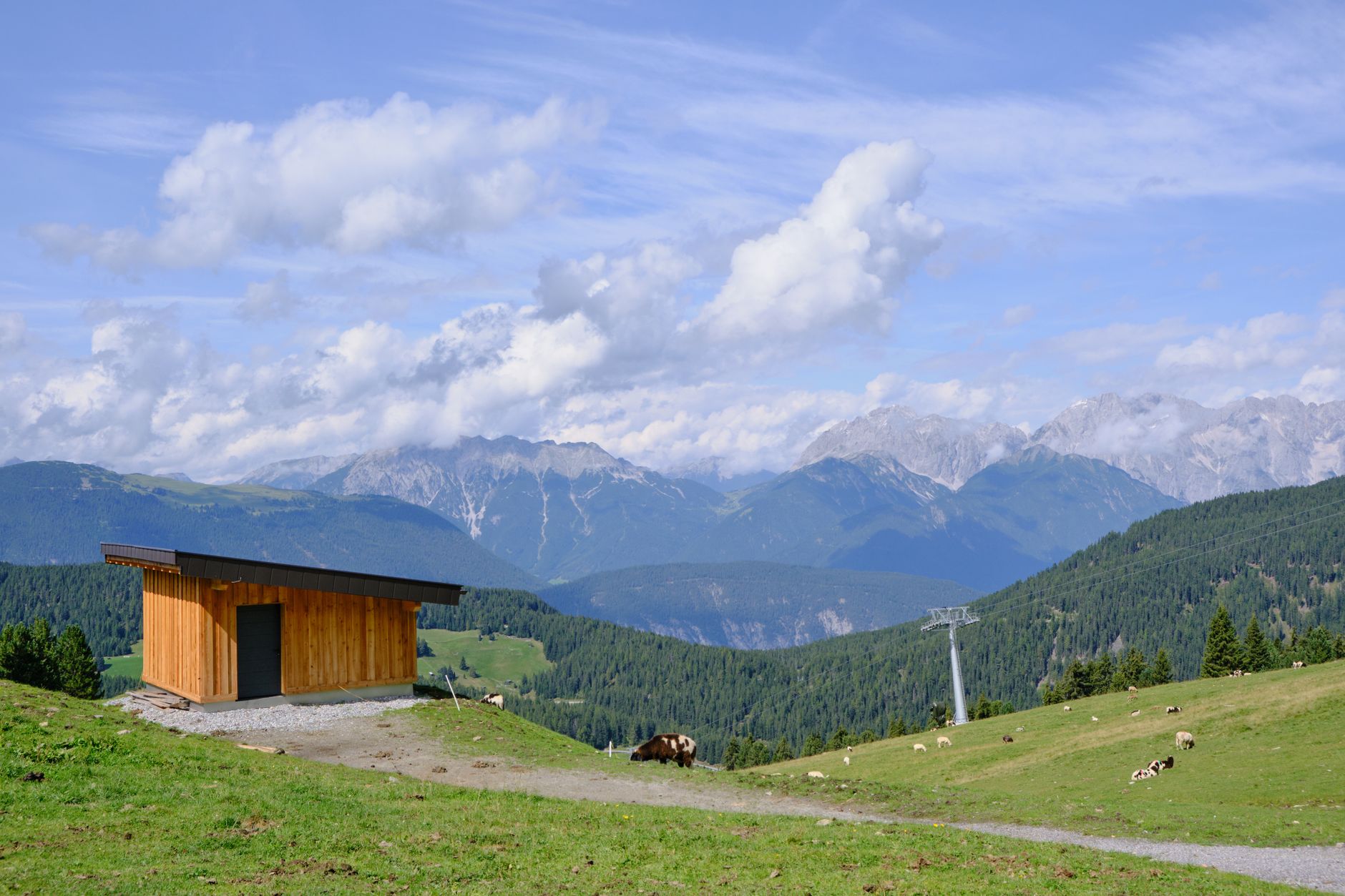
Table of Contents
1. The Threshold of Timber and Limestone
As dawn breaks over the Alpe di Siusi, morning mist hangs suspended between jagged dolomitic spires and gently undulating meadows. At this elevation, sound behaves differently. The clang of cowbells carries for kilometers across open valleys, yet inside the newly conceived mountain refuges, there is absolute, monastic silence.
For centuries, the inhabitants of this borderline territory—where Germanic pragmatism meets Mediterranean ease—have understood how to construct dwellings that do not conquer the slopes, but shelter within their contours. Recent decades have seen a quiet architectural renaissance here. Rather than mimicking historical chalets with superfluous ornamentation, architects are stripping buildings back to elemental geometries.
"Architecture in the mountains is an exercise in modesty. If your roofline fights the ridge behind it, the mountain will always win."
2. Vernacular Mastery: Larch, Shingles, and Granite
The secret to South Tyrol's modern aesthetic lies in its uncompromising adherence to native materials. Local larch wood, untreated and exposed to alpine sun and blizzards, gradually patinates to a silvery grey that matches the limestone cliffs above. Hand-split shingles, thick walls composed of crushed local porphyry, and deep eaves provide insulation against severe winters while maintaining cool air throughout the summer.
Inside these shelters, the aroma of stone pine (Cembra pine) lowers the heart rate. Floor-to-ceiling glass apertures frame solitary peaks, making the shifting daylight the sole decorative element within the space. There are no televisions, no loud synthetic textures, and no needless visual static.
3. The Ritual of Mountain Slowness
Walking these trails requires re-calibrating one’s tempo. Ascending twelve hundred vertical meters cannot be rushed. One learns to measure progress by breath, by the temperature of the air as the tree line thins, and by the taste of water running cold from crystalline springs.
When the sun finally dips behind the Rosengarten massif, bathing the rock face in the legendary pink glow known as Enrosadira, you recognize that travel is not about collecting landmarks, but about cultivating interior quietude.
Plan Your Own Dolomite Sojourn
Inquire about our private self-guided route dossiers with secluded lodge bookings, hiking tracks, and architectural archives.
Inquire With Our Desk