Kyoto After Dark: An Ode to Fermentation, Dashi, and Ceramic Arts
Words by Mei Lin & Julian Thorne • Photography by 111111 Field Collective
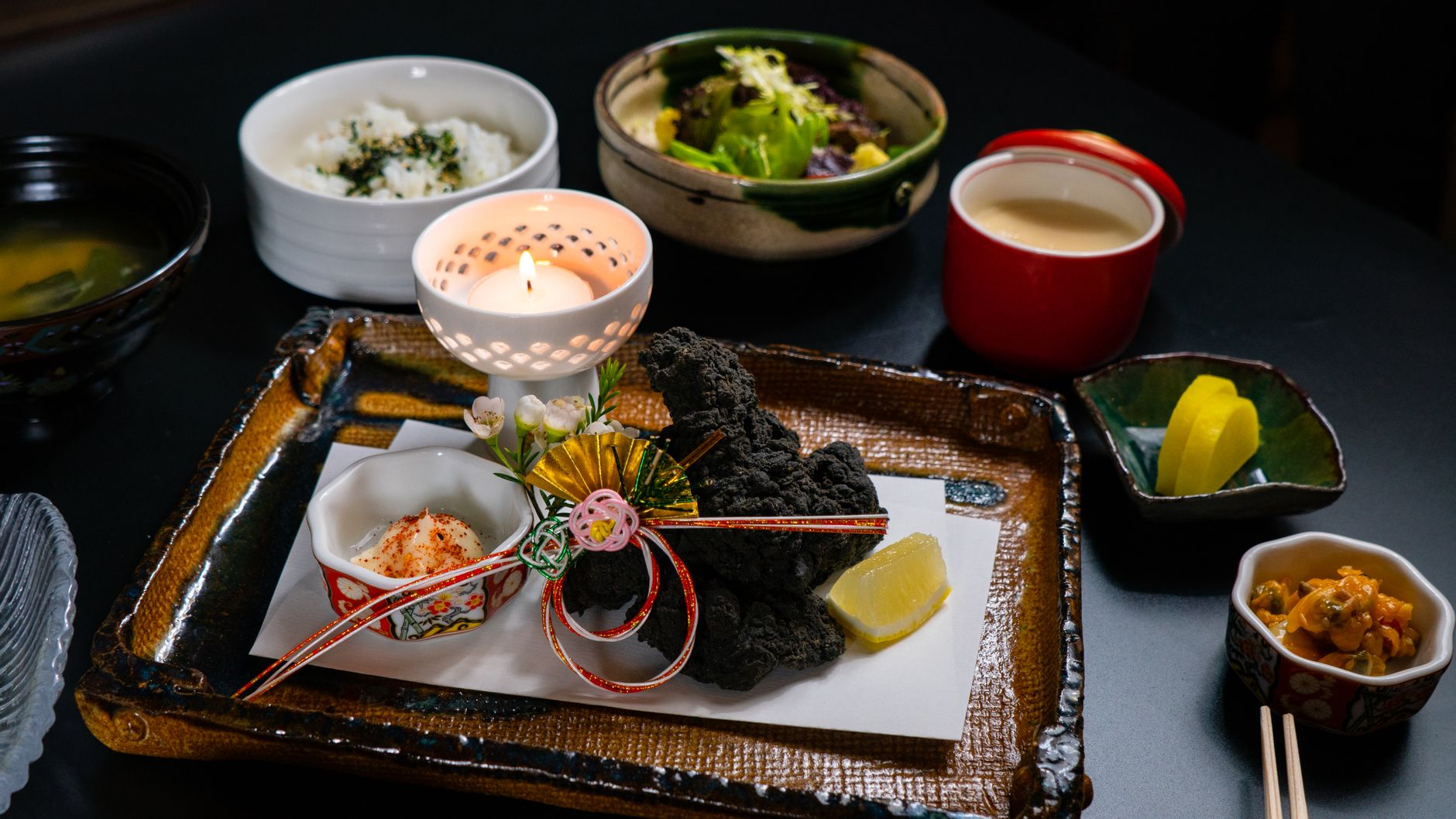
Table of Contents
1. The Scent of Kombu in the Damp Night
Step away from the neon glow of Kawaramachi and cross the Kamo River into the maze of Miyagawacho. Here, footsteps echo softly against flagstone lanes, and the gentle trickle of water from stone basins provides the ambient soundtrack to evening meals. In Kyoto, cooking is neither performance nor spectacle; it is a spiritual practice rooted in deep seasonal rhythm.
At the center of everything rests dashi—a broth born of sun-dried Rishiri kombu kelp and aged shavings of katsuobushi. Simmered at precisely controlled temperatures beneath boiling point, it delivers an invisible depth of flavor (umami) that supports without ever overwhelming the palate.
"We do not add flavor to the ingredients. We create the conditions under which the vegetable confesses its true character."
2. The Earthenware Dish as Landscape
Each dish in a Kaiseki meal is framed by pottery carefully chosen to evoke the immediate weather outside. If late autumn rains have begun to fall, rough stoneware fired in Shigaraki kilns might carry a single glazed maple leaf alongside a grilled sweetfish. The vessel is never an afterthought; it is part of the composition.
To dine here is to realize that ceramics, lacquerware, and cooking exist on the very same artistic plane. The slight asymmetry of a handmade tea bowl reminds the diner of wabi-sabi—the beauty of imperfection and the passage of fleeting moments.
3. Lessons from the Cedar Cask
On the outskirts of the ancient capital, in Ohara, we visited a workshop that has produced miso in cedar barrels for over two hundred years. The microscopic yeasts living within the wood are unique to that precise cellar. No industrial stainless-steel vat can recreate the velvet complexity of soybeans aged through three distinct summers and winters.
True culinary travel does not chase rating stars; it seeks those craftsmen who remain dedicated to preserving the sensory heritage of human civilization.
Explore Kyoto’s Artisan Neighborhoods
Receive our bespoke walking guide featuring small family ateliers, century-old tea purveyors, and hidden soba houses.
Inquire With Our Desk